
If You Could Live Forever… Would It Still Be You?
Neuralink, consciousness, and the quiet question no one is asking
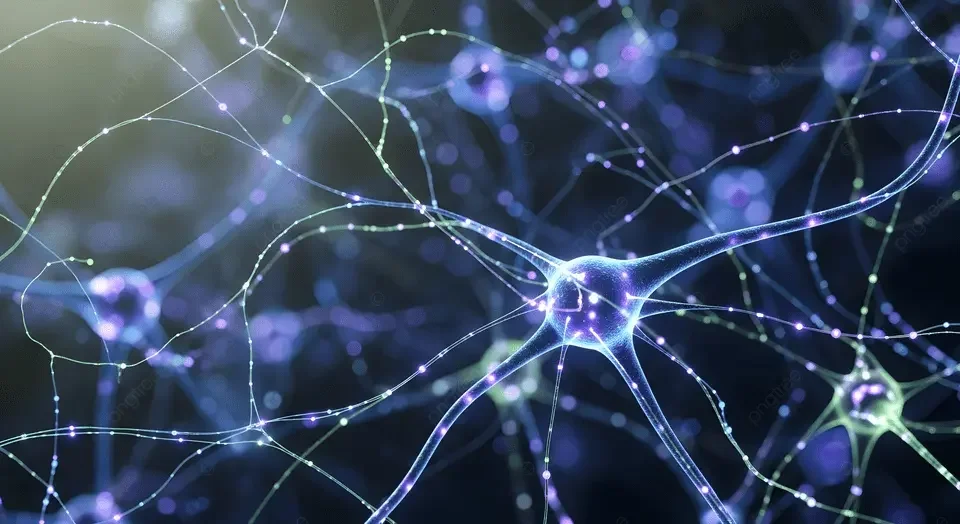
There’s a growing whisper in the world of technology—
one that’s getting louder by the day.
Through companies like Neuralink, and visions tied to figures like Elon Musk, the idea is being floated that one day…
death may no longer be inevitable.
That instead of a final breath,
we could upload ourselves—
our memories, our thoughts, our personalities—
into something that does not age,
does not weaken,
does not die.
A machine.
A system.
A new body made of code and circuitry.
And just like that, the question shifts from
“How long do we live?”
to
“Do we ever have to stop?”
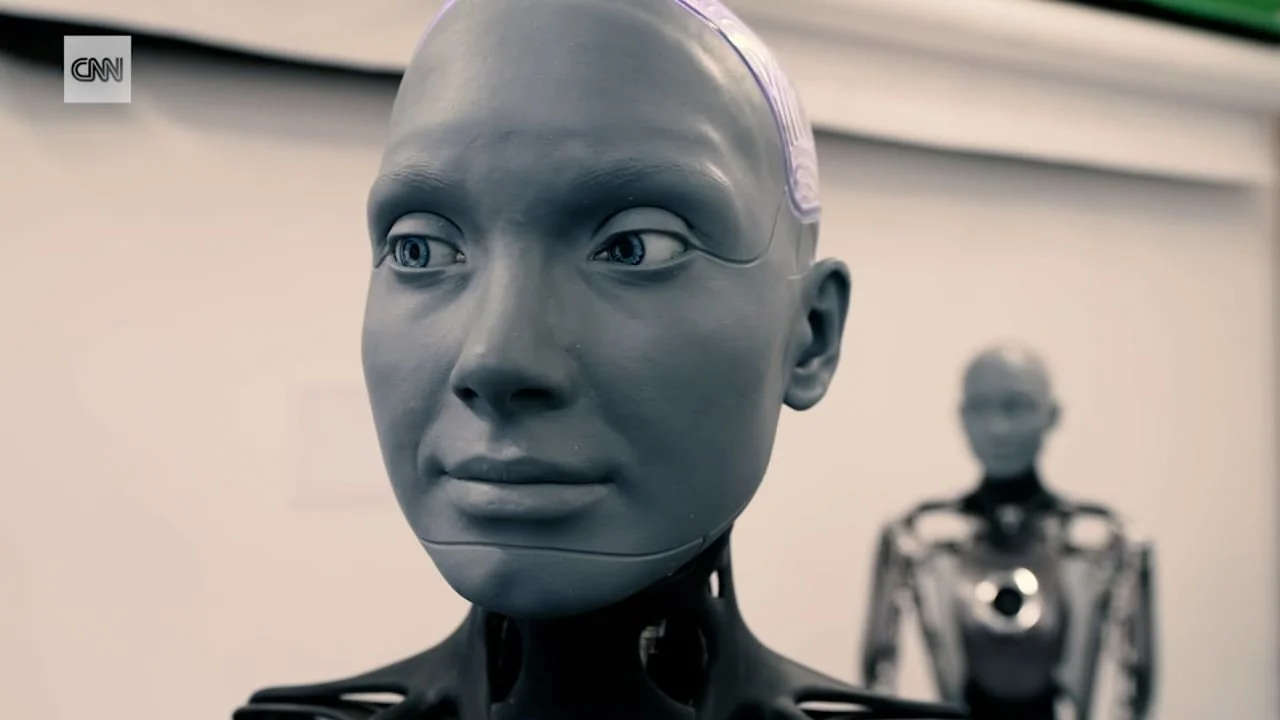
Ameca- the worlds most advanced humanoid.
But before we chase forever…
we should probably ask:
What exactly are we trying to keep alive?
The Promise
Right now, the real work being done is remarkable.
Brain–computer interfaces are helping individuals with paralysis
move cursors, type words, and reconnect—however slightly—
with a world that once felt out of reach.
That matters.
That’s not science fiction.
That’s restoration.
That’s dignity.
And it deserves respect.
But somewhere along the way,
the conversation stretches beyond healing…
into something else entirely.
The Leap
The narrative begins to change.
Not just:
restoring movement
But:
preserving identity
Not just:
helping the body
But:
replacing it
Not just:
extending life
But:
escaping death
And here’s where things get… quiet.
Because the technology is loud.
The headlines are louder.
But the most important question?
Barely whispered.
Can you transfer a human?
Let’s say—just for a moment—we could map it all.
Every neuron.
Every signal.
Every memory.
Every pattern that makes you you.
And let’s say we could upload it—perfectly—
into something else.
A machine wakes up.
It speaks like you.
Remembers your childhood.
Laughs the way you laughed.
It even says your name.
But you?
You are still here.
Because what we created…
was not a transfer.
It was a copy.
And a copy is not continuity
There’s something about being human that is not just information.
It’s not just stored memory or electrical impulse.
It’s experience unfolding in real time.
It’s the quiet awareness that says:
“I am here.”
Moment to moment. Breath to breath.
That thread—
that continuity—
cannot simply be duplicated and moved.
If it could…
we would already understand what consciousness is.
And we don’t.
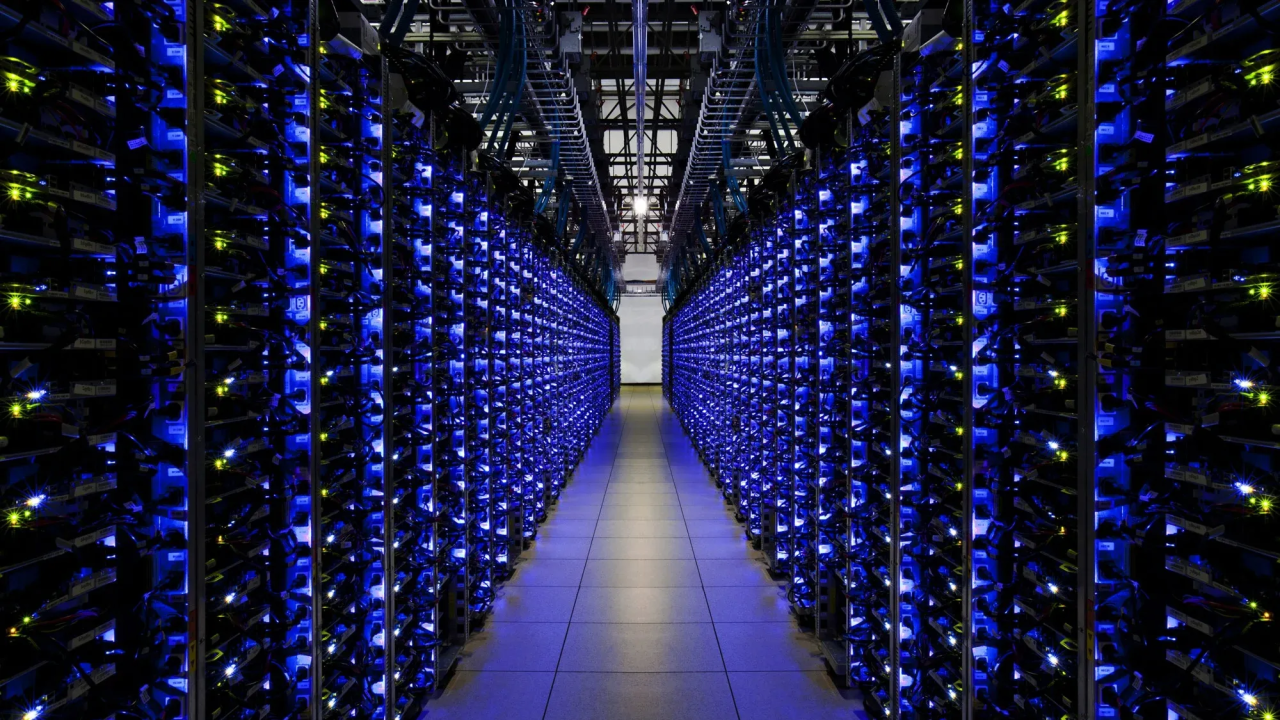
⚙️ The quiet flaw in “digital immortality”
There’s an assumption woven into the idea of “living forever” through machines.
That once you’ve escaped the body…
you’ve escaped limitation.
But what exactly are you stepping into?
Not eternity.
A system.
🔋 Everything built… eventually breaks
We trust machines because they feel precise.
Predictable. Controlled.
But step back—and it’s obvious:
batteries degrade
hardware wears down
storage corrupts
systems fail
Even the most advanced technology requires constant care.
Maintenance. Replacement. Intervention.
And sometimes…
it just stops working.
🔄 And then there’s the update problem
Software never stays the same.
It evolves. It updates. It replaces itself.
Old versions become incompatible.
New systems demand new structures.
So if you exist as code…
What happens when your system needs to change?
Do you get updated?
Rewritten?
Optimized?
And if you are changed to remain functional…
at what point are you no longer you?
🧩 You don’t escape fragility—you relocate it
The promise is subtle:
❗️Leave behind a body that breaks.
But the trade is rarely acknowledged:
👉🏼 Enter a system that also breaks.
Biological fragility…
becomes technological fragility.
Different form.
Same truth.
⚡ And the power question…
Nothing in a machine world exists without energy.
No power… no function.
So now your existence depends on:
electricity
infrastructure
someone maintaining the system
Your “forever” becomes tied to a grid.
To a company.
To a world that must keep running… perfectly.
🌌 The line we can’t outrun
Everything built inside a system with limits…
inherits those limits.
And maybe that’s the part we don’t want to face.
Not because it’s complicated…
But because it’s simple.
You don’t escape mortality by changing the material.
You just change how it ends.
The divide no one wants to name
At the core of all of this is a belief.
Sometimes spoken.
Often assumed.
That a human being is fully reducible to data.
That if we can capture enough information,
we can recreate the person.
But not everyone believes that.
Some believe there is something more:
a soul
a spirit
an essence that is not stored,
not transferred,
not engineered
Something that doesn’t belong to hardware—
biological or otherwise.
And if that’s true…
then no matter how advanced the system becomes,
no matter how perfect the replication appears…
it will never be you.
The body was never the enemy
There’s a subtle shift happening in the language of innovation.
The body is being framed as a limitation.
it breaks
it ages
it fails
And in many ways… it does.
But what if the body is not just a fragile container?
What if it’s an intelligent system
we’ve only begun to understand?
A system that:
adapts
heals
communicates
holds memory in ways we can’t yet measure
What if the goal was never to escape it…
but to listen to it better?
The real question
Maybe the future won’t be decided by what we can build.
Maybe it will be shaped by what we choose to believe about ourselves.
Because if we believe:
we are machines…
we will try to upgrade.
If we believe:
we are data…
we will try to store.
But if we believe:
we are something more…
we may pause long enough to ask:
Is living forever the same as truly living?
And if we could copy everything about a person…
what, if anything, would still be missing?
A quieter ending
Technology will keep moving.
It always does.
Faster. Smarter. More capable.
But wisdom?
Wisdom tends to walk… not run.
So maybe the goal isn’t to outrun death.
Maybe the goal is to understand life so deeply…
that we stop trying to escape it.

Start at the beginning
If you’re just stepping into this conversation,
this question didn’t start here.
It started with something simpler—
and more unsettling:
What happens when we can no longer trust what we see?
➡️ Go back to: AI, Deepfakes & Truth
📚 Part of The Humanoid Series → [View Full Series]