
Oconee Bells at Devils Fork State Park:
Tiny Wildflowers, Quiet Beauty, and a Walk Still Worth Taking
There are places that do not need to shout to be unforgettable.
Devils Fork State Park is one of them.
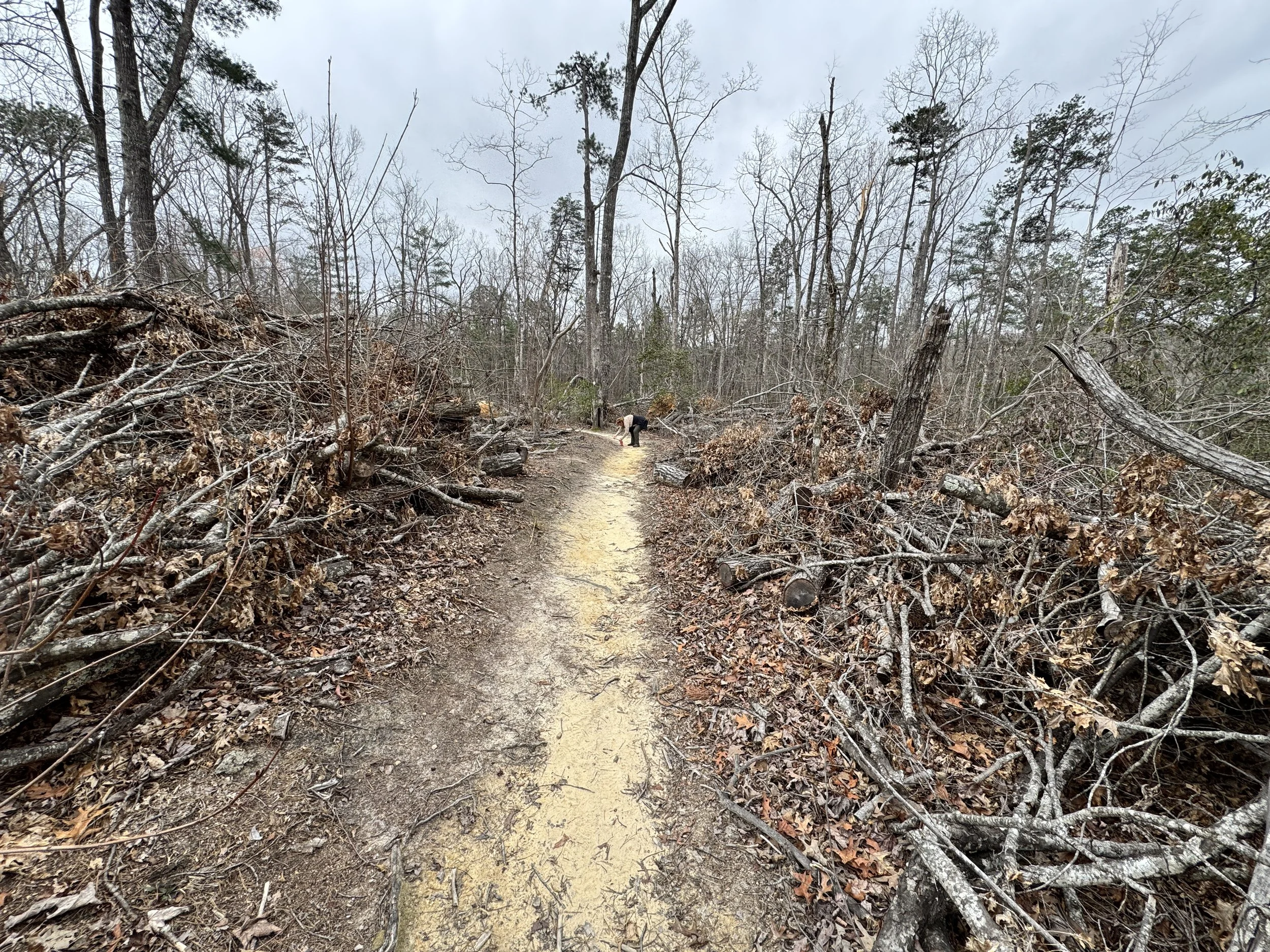
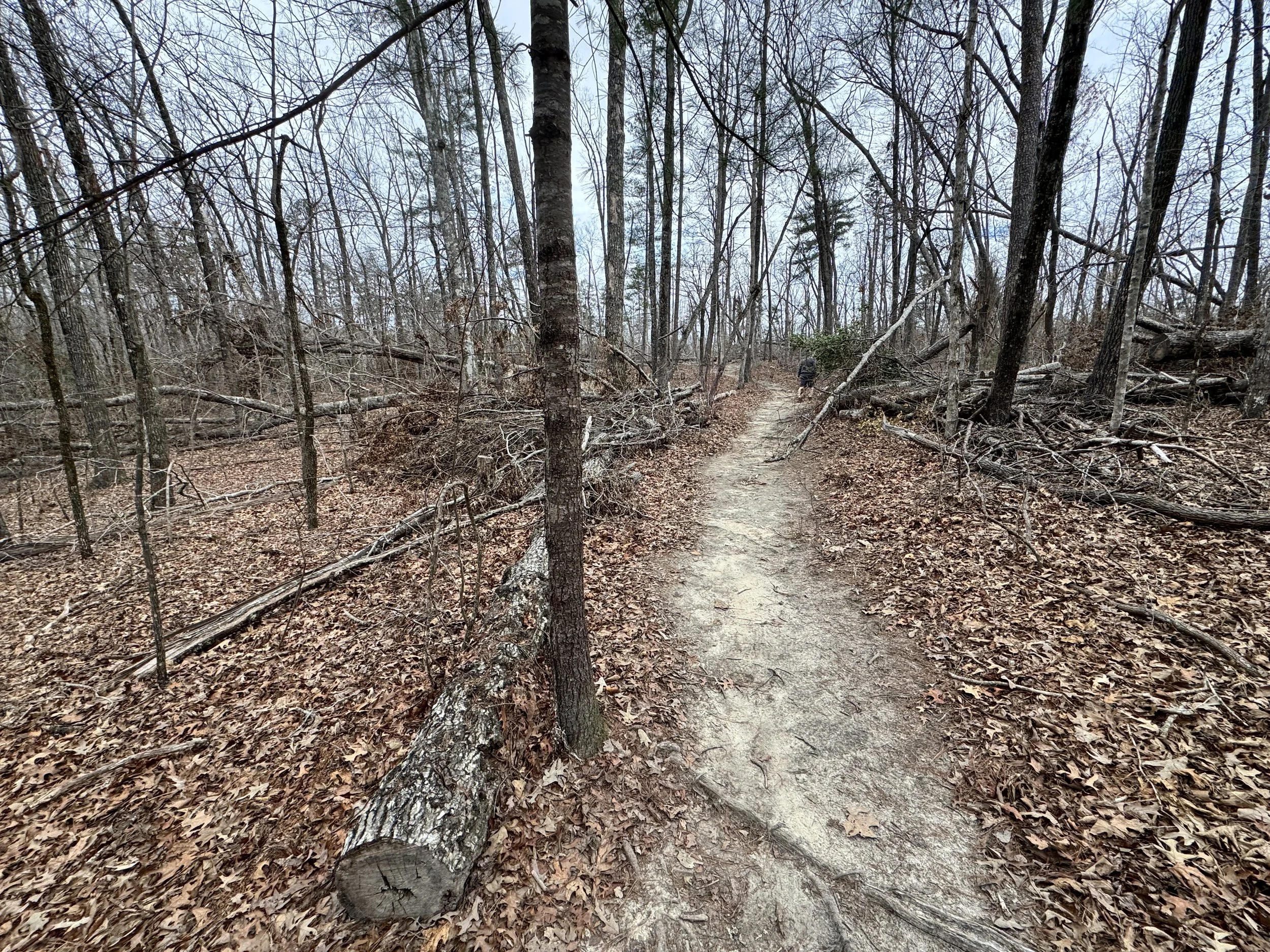
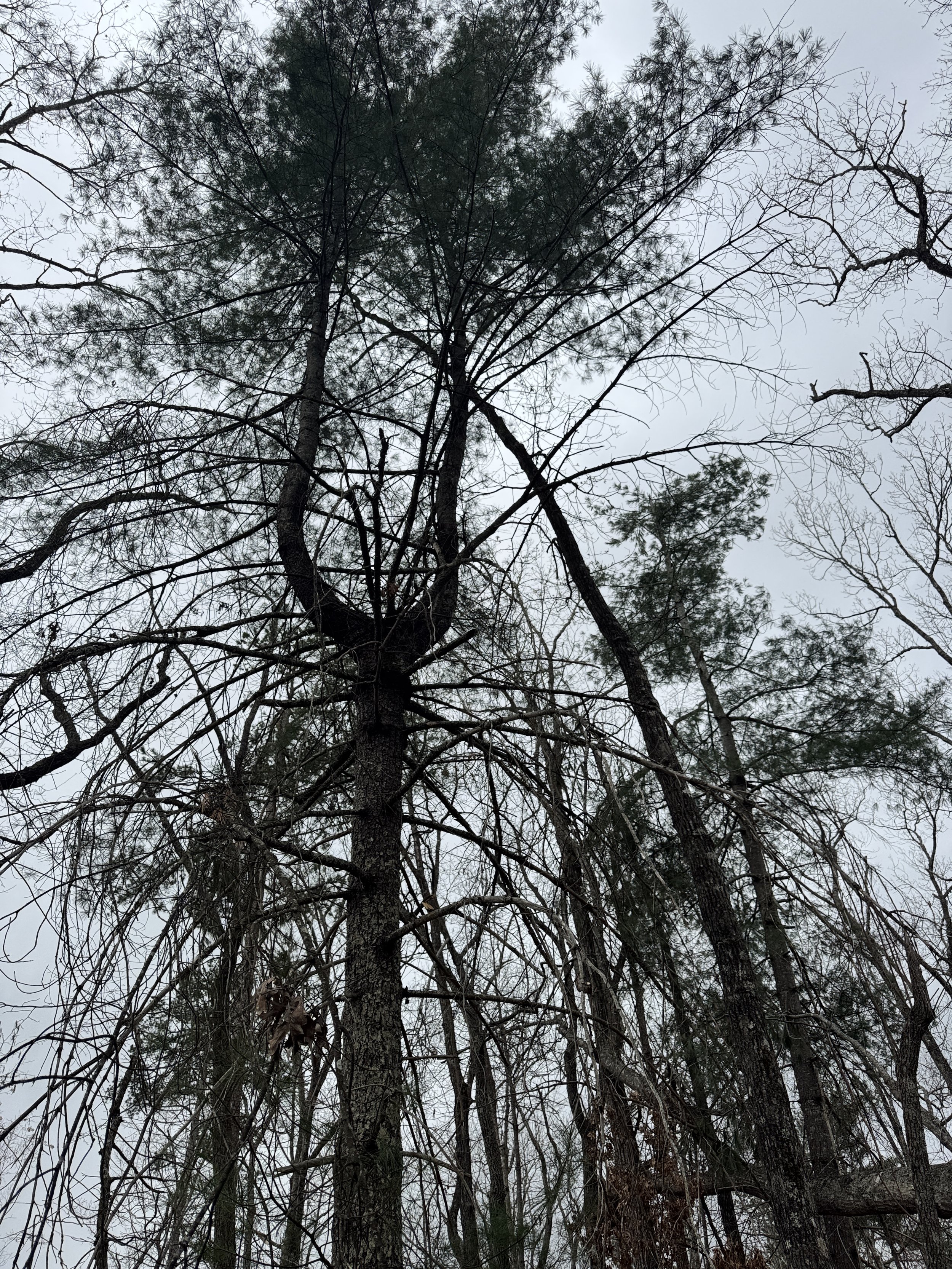
Even after the storm damage left behind by Helene in September 2024, this corner of the Upstate still holds its beauty with a quiet, steady grace. The trail still carries signs of what nature endured, but it remains a lovely walk—peaceful, grounding, and full of life. It is the kind of place that makes you slow down, whether you meant to or not.
And every spring, people come for the park’s tiny claim to fame: the Oconee Bells.
The rare treasure that draws people in
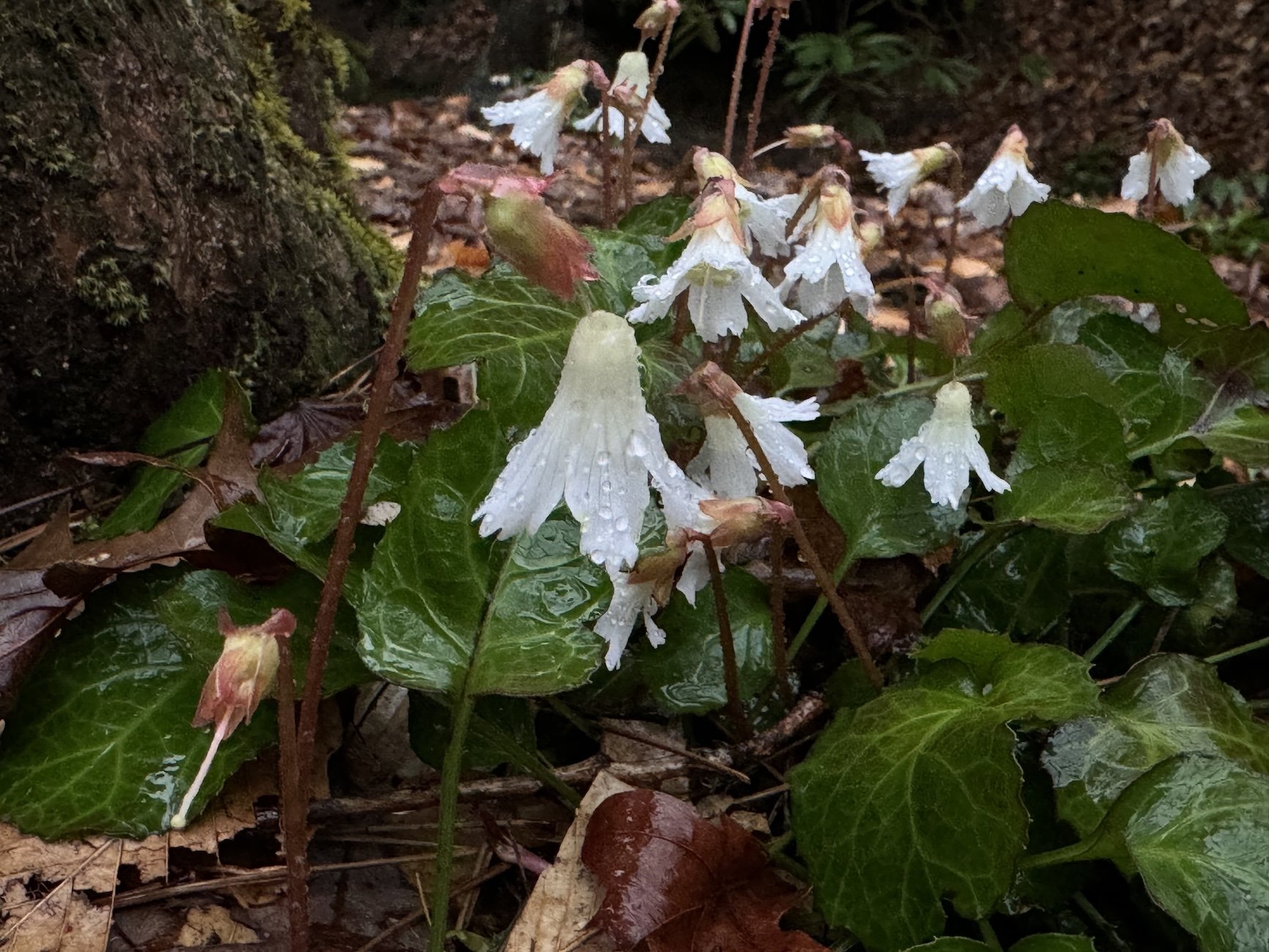
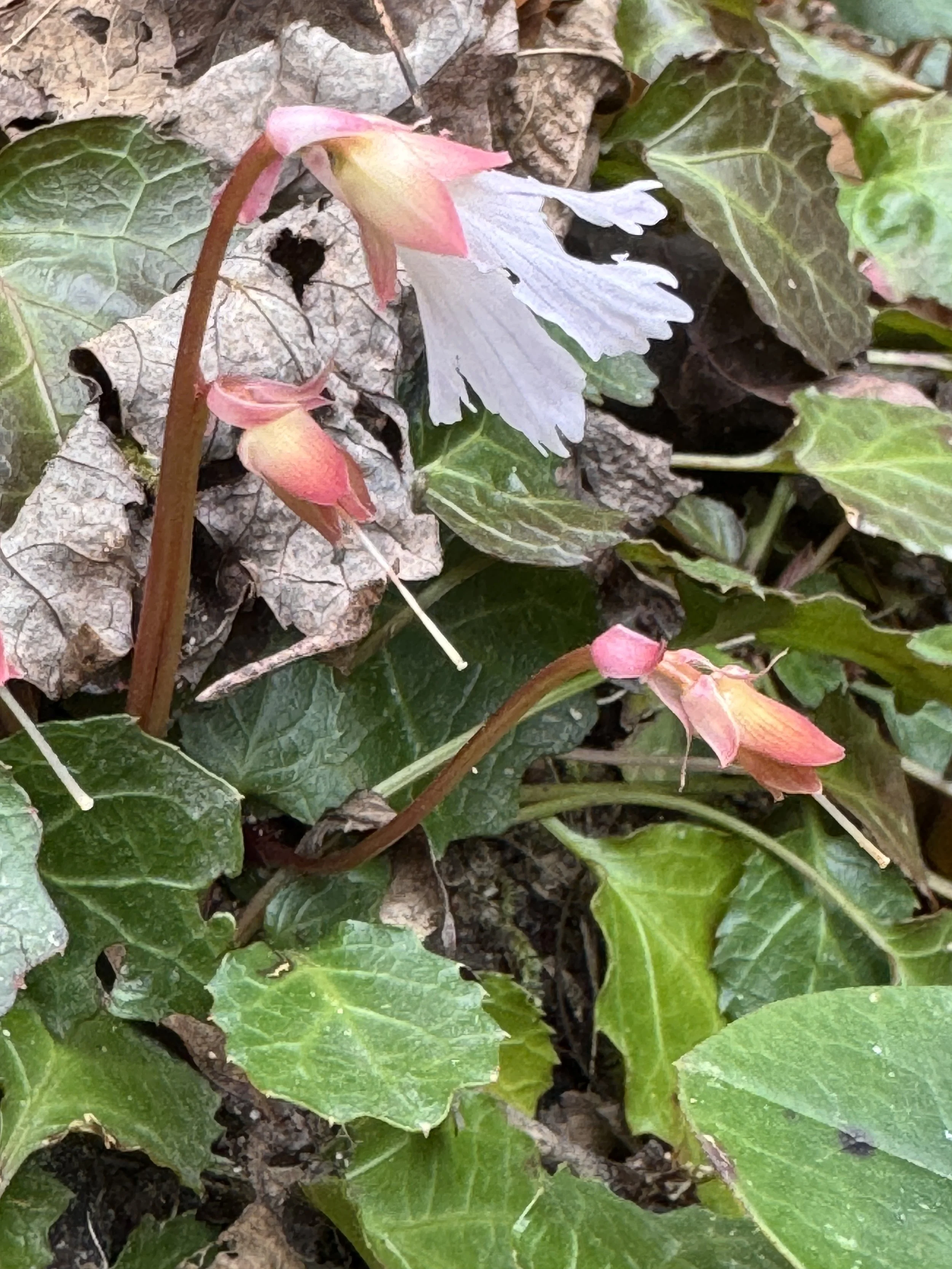
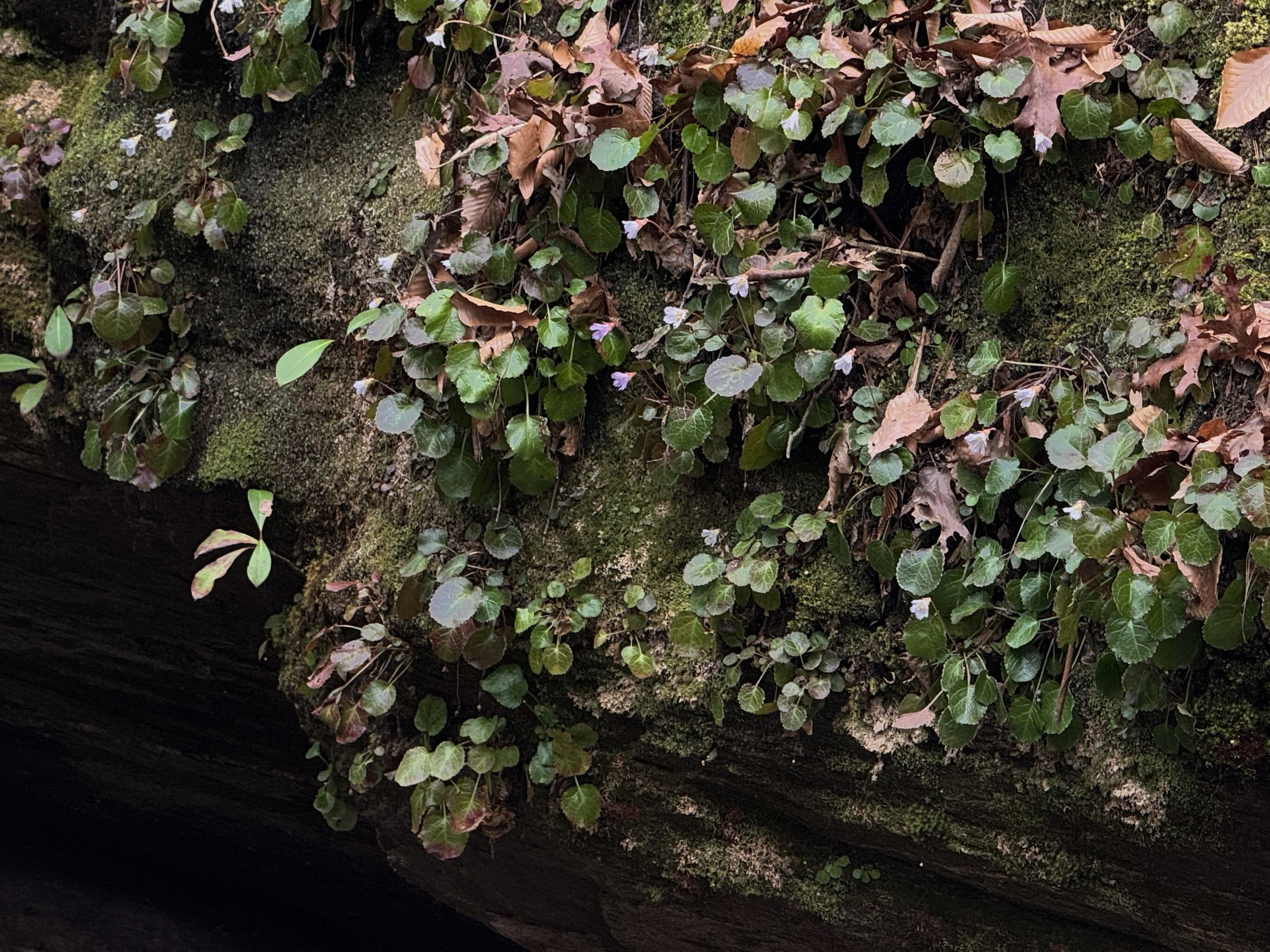
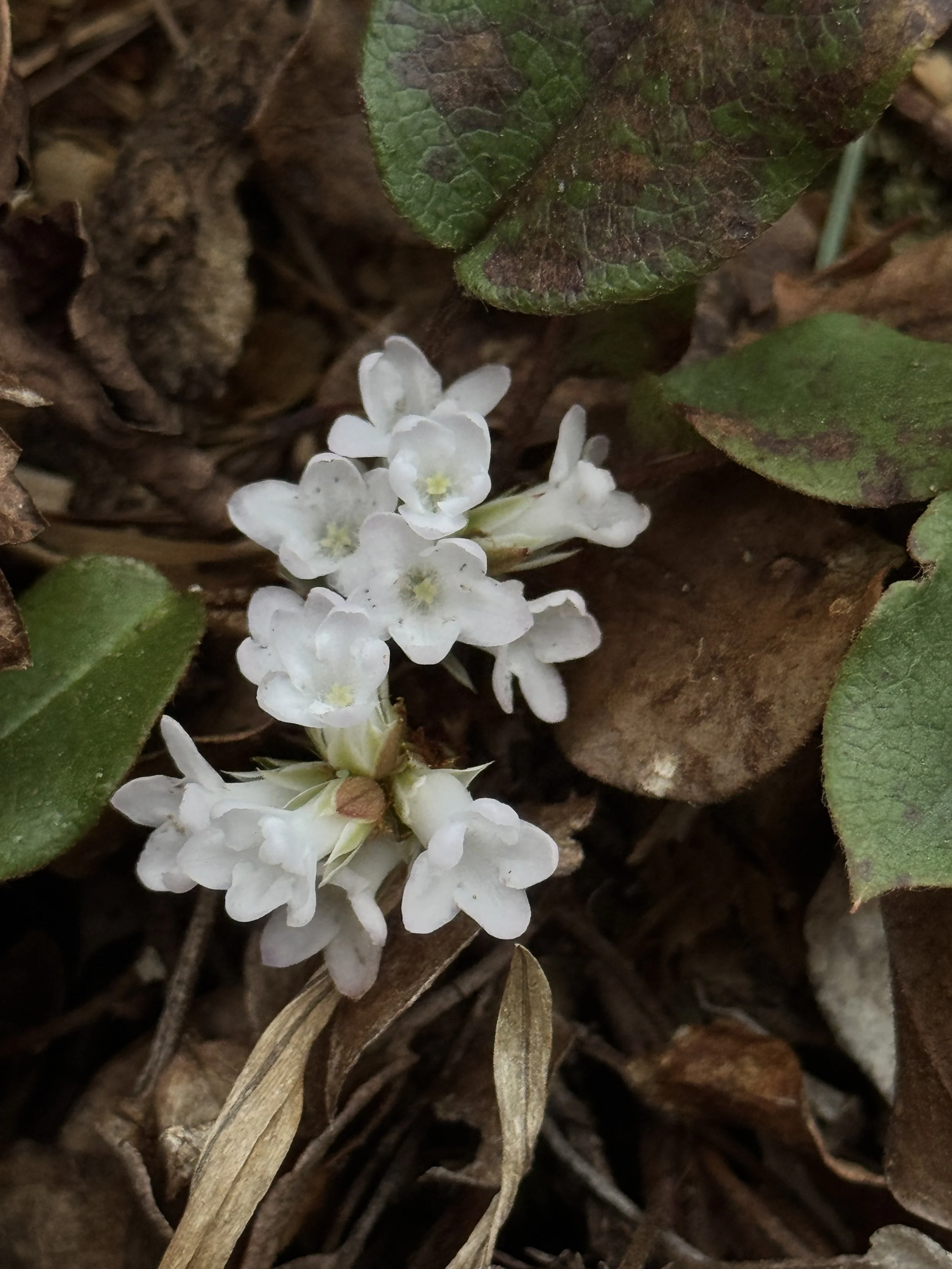
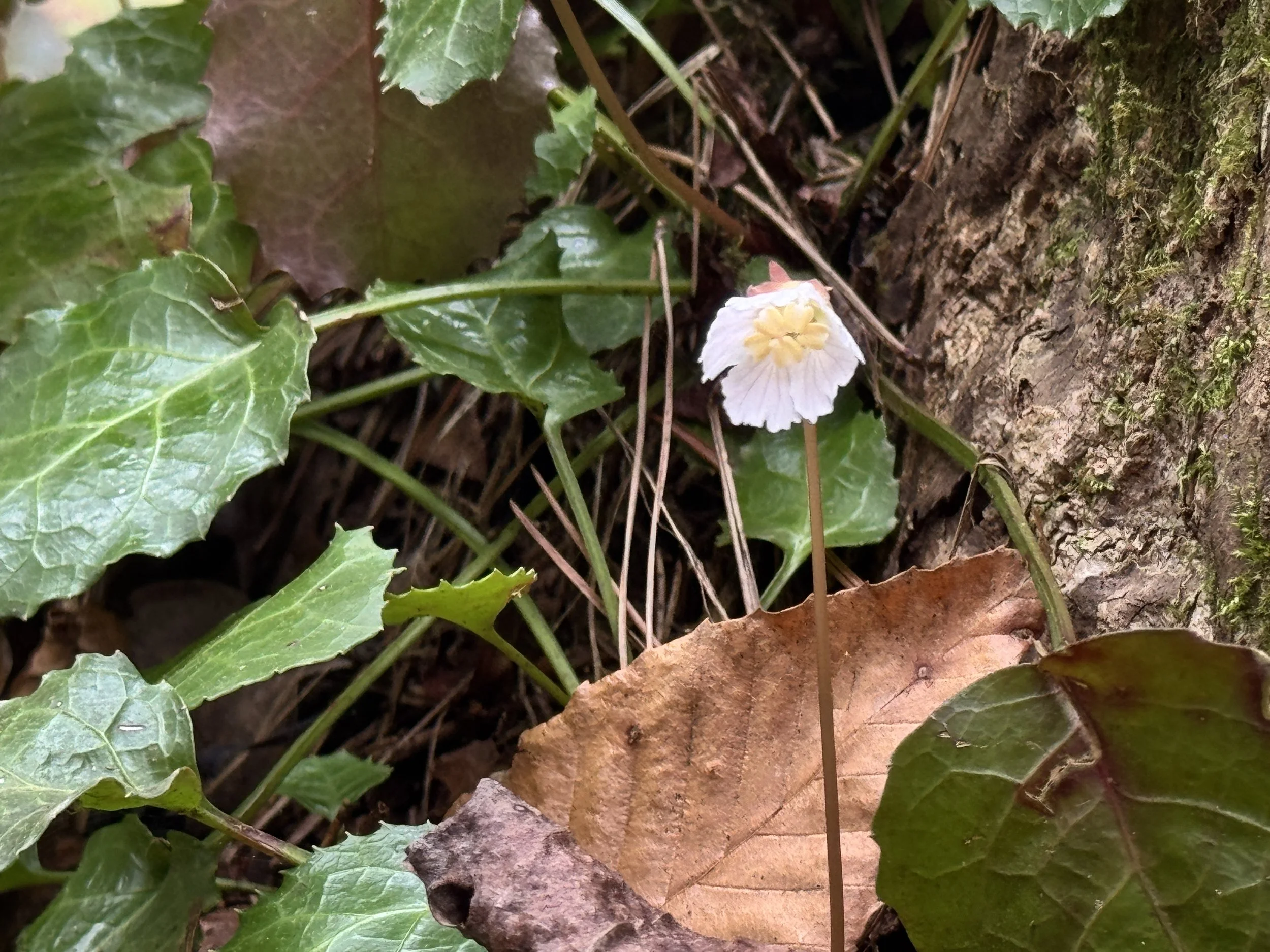
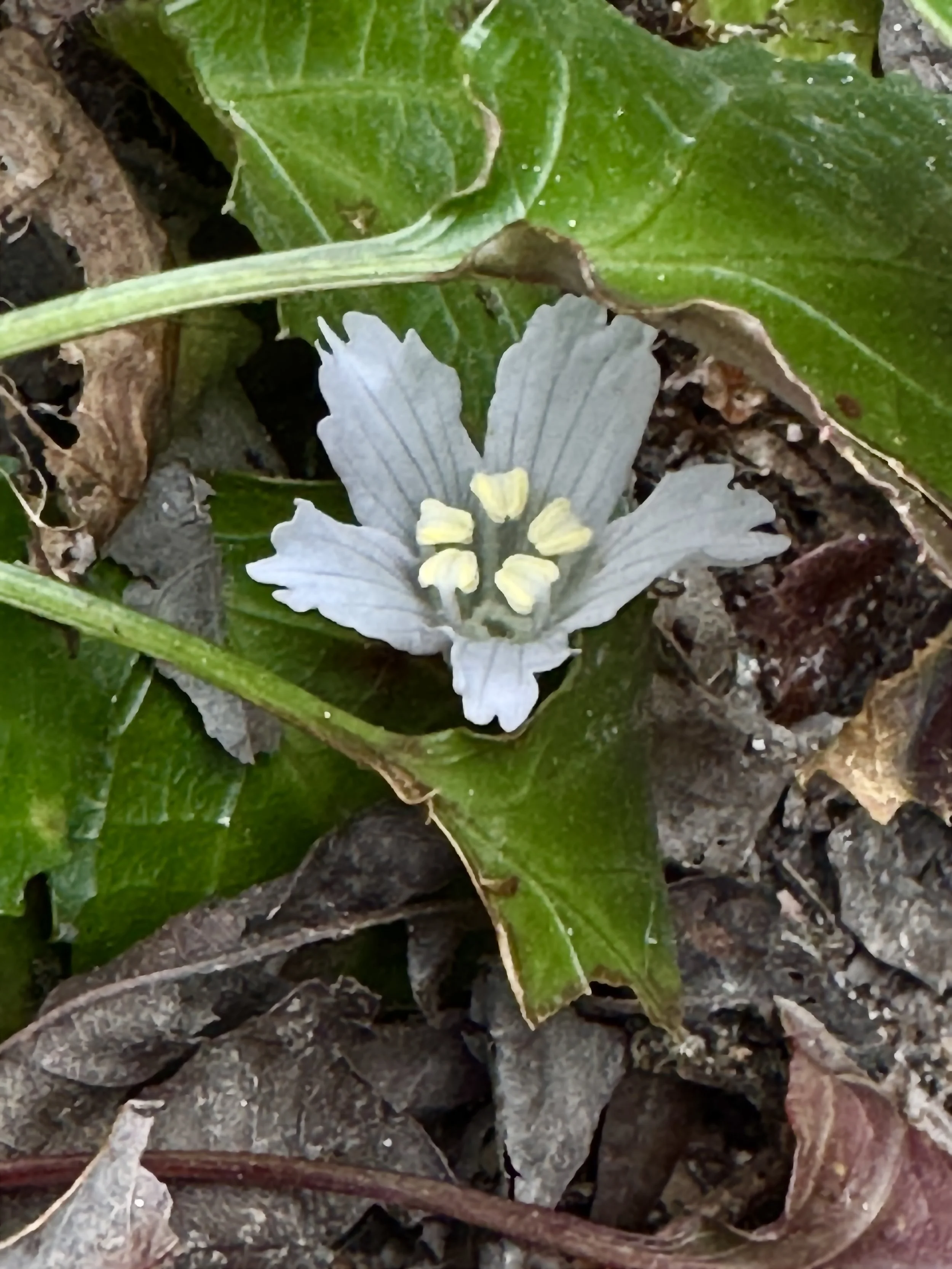
Oconee Bells, known botanically as Shortia galacifolia, are among the rarest wildflowers in the world. They grow in only a handful of places in the southern Appalachians, and Devils Fork State Park is one of the best-known places to see them.
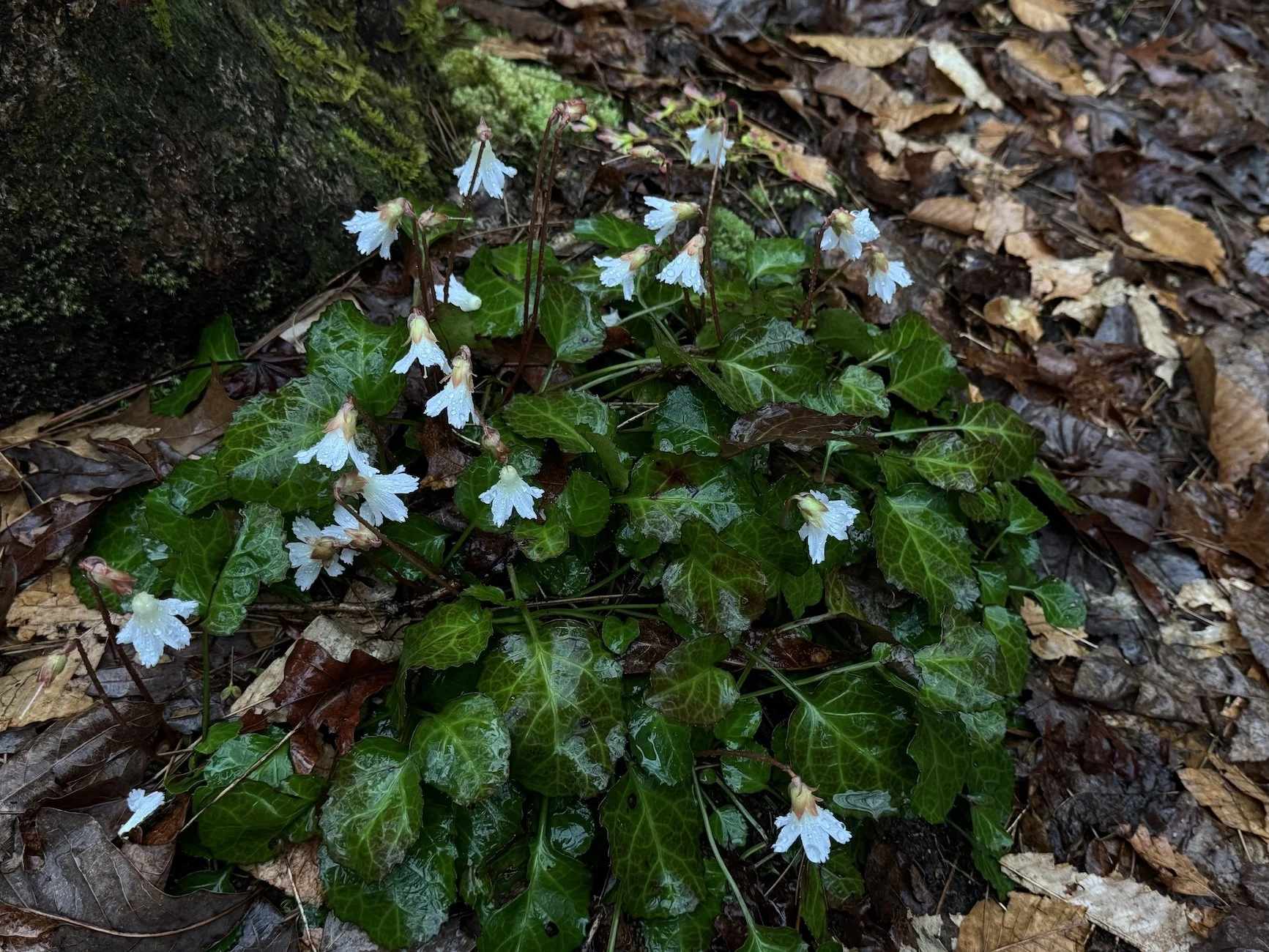
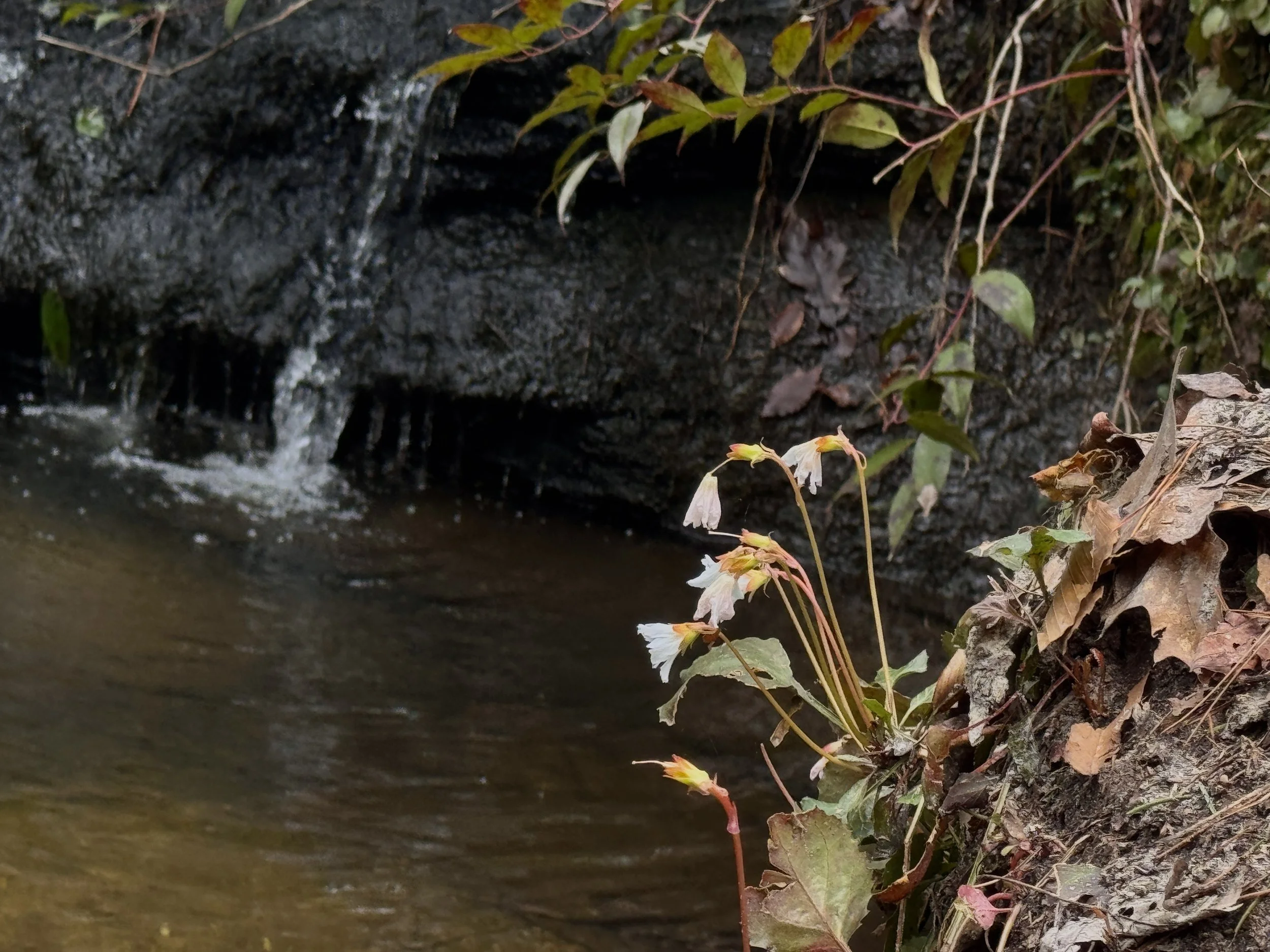
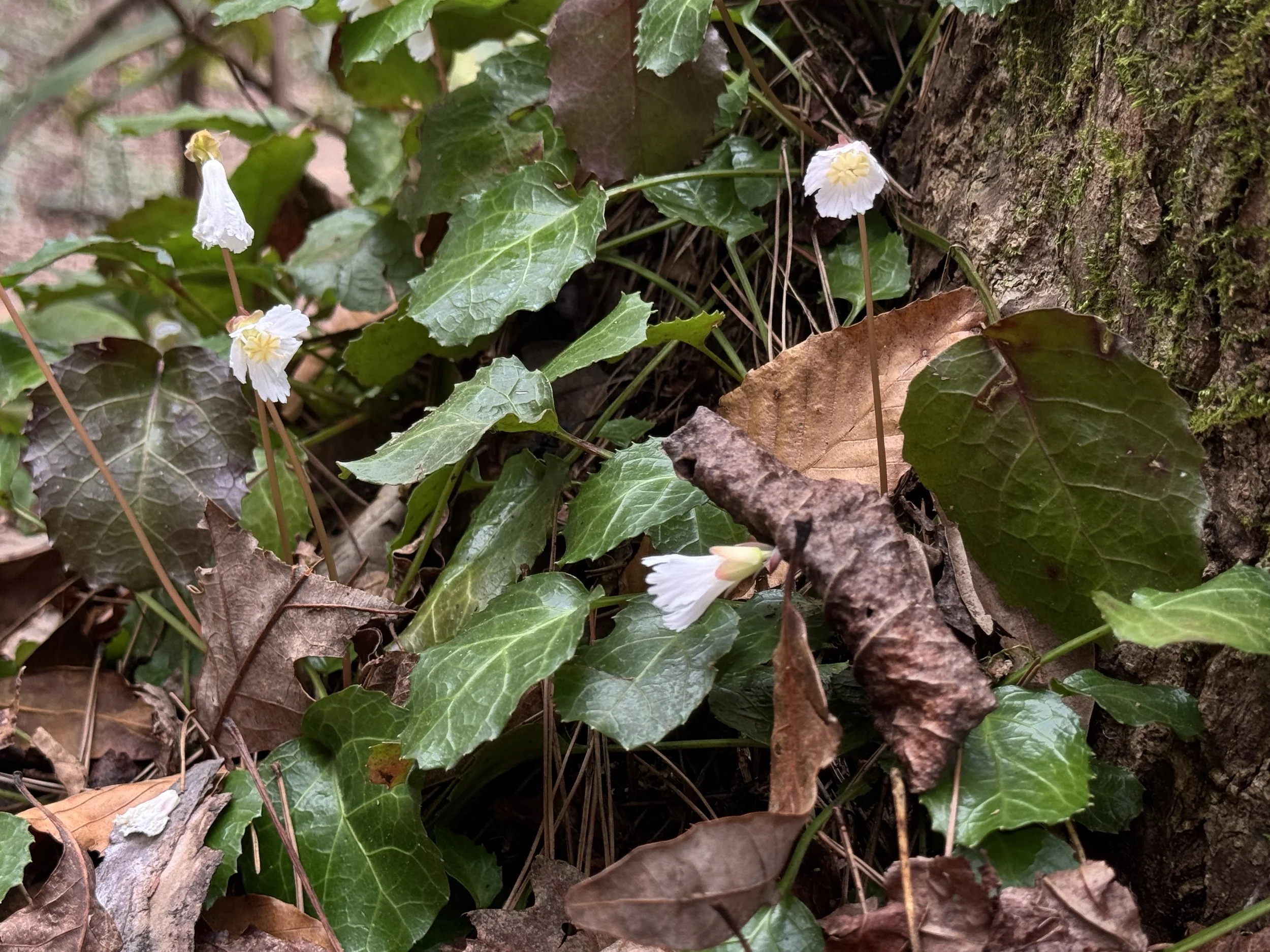
These delicate, low-growing woodland flowers bloom in early spring, usually in March, with nodding white blossoms tucked close to the forest floor. Their leaves stay green year-round, but when the flowers appear, they do so quietly—never loudly, never dramatically, just beautifully.
That is part of what surprises first-time visitors.
People often expect something bigger. Showier. Easier to spot. But the Oconee Bells are tiny. Truly tiny. Though one clump may contain many blooms, they still require you to slow down and really look. Photographing them can be tricky too. Their beauty is not in bold scale, but in delicate detail. You almost have to meet them where they are—down low, close up, and with patience.
They do not perform.
They whisper.
A flower with a remarkable story
The story of the Oconee Bell is as fascinating as the flower itself.
It was first collected in the late 1700s by French botanist André Michaux in the mountains of this region, but for many years it seemed to vanish into mystery. Botanists searched for it in the wild for decades, and its rediscovery became one of the more intriguing stories in American botany.
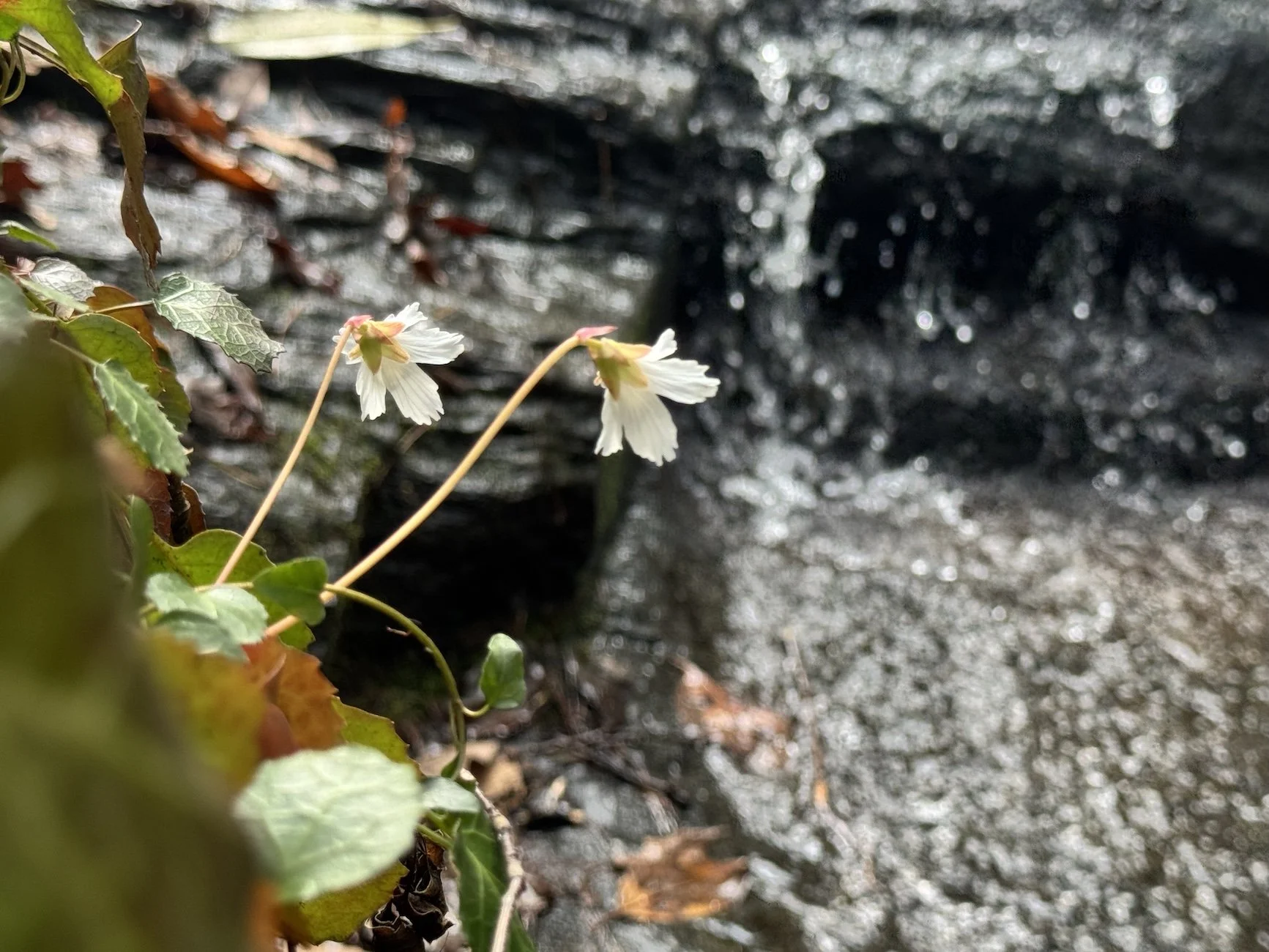
Today, Shortia galacifolia remains rare and protected. It grows only in a small geographic range, usually near shaded streams, moist slopes, and cool woodland areas. Many native populations were lost over time, especially with major landscape changes in the Jocassee and Keowee areas, which makes the protected populations that remain all the more special.
This is not just a pretty spring flower.
It is a survivor.
A remnant.
A quiet piece of Southern Appalachian history still blooming.
BellFest 2026 is this week
The Oconee Bell Festival—often called BellFest—is happening this week at Devils Fork State Park, celebrating the blooming season of these rare and beloved flowers.
BellFest 2026 is scheduled for March 21, 2026, and the week also includes an Oconee Bell Nature Walk on March 19, 2026, from 10:00 AM to 12:00 PM. The festival is associated with Friends of Jocassee and highlights both the beauty of the bloom season and the importance of protecting these rare native wildflowers and the surrounding Jocassee landscape.
If you are local, this is a beautiful week to go.
More than just Oconee Bells
The Oconee Bells may be the headline act, but they are not the only beauty tucked into this park.
That is one of the things I love most about Devils Fork. You may come for one rare thing, but you leave having noticed twenty others.
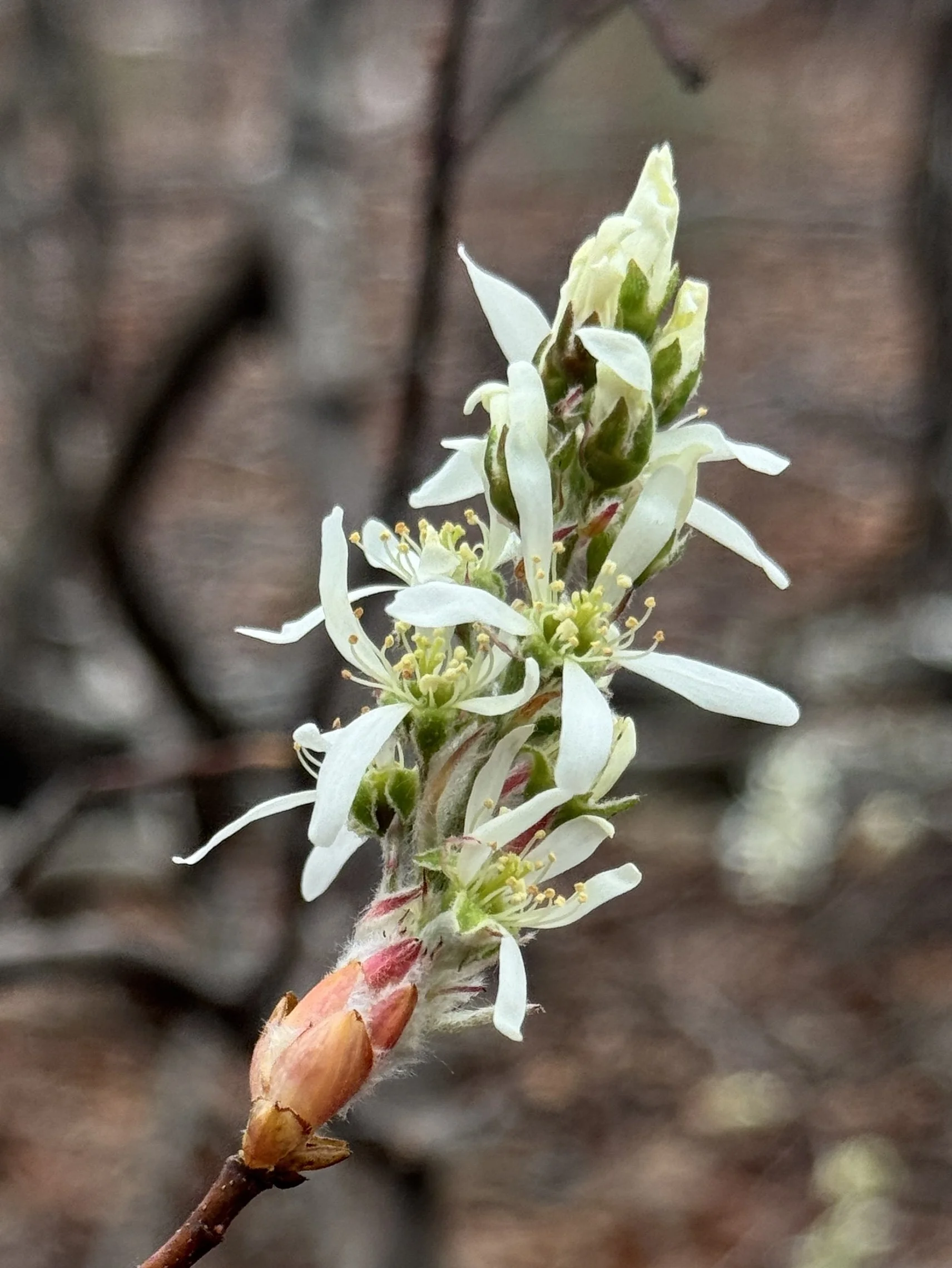
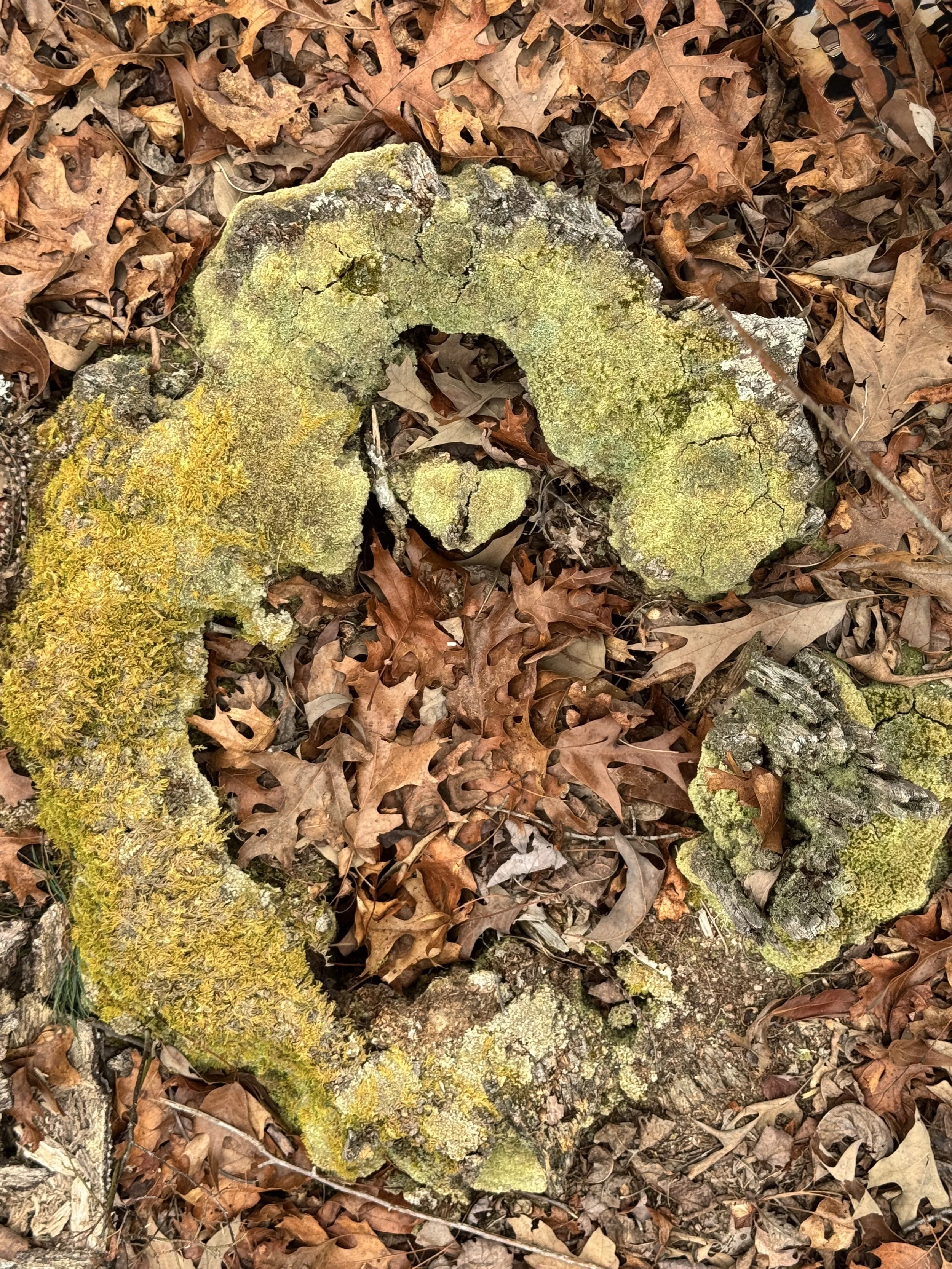
The woods hold their own quiet variety—layers of trees, evergreen understory, mossy edges, leaf litter, and spring things beginning to stir. Along the way, you may find Trailing Arbutus, low to the ground and lovely in its own shy, old-fashioned way. You may also notice the Chuckle Berry Tree, another small wonder tucked into the landscape if you are paying attention.
And then there are the places between the named things.
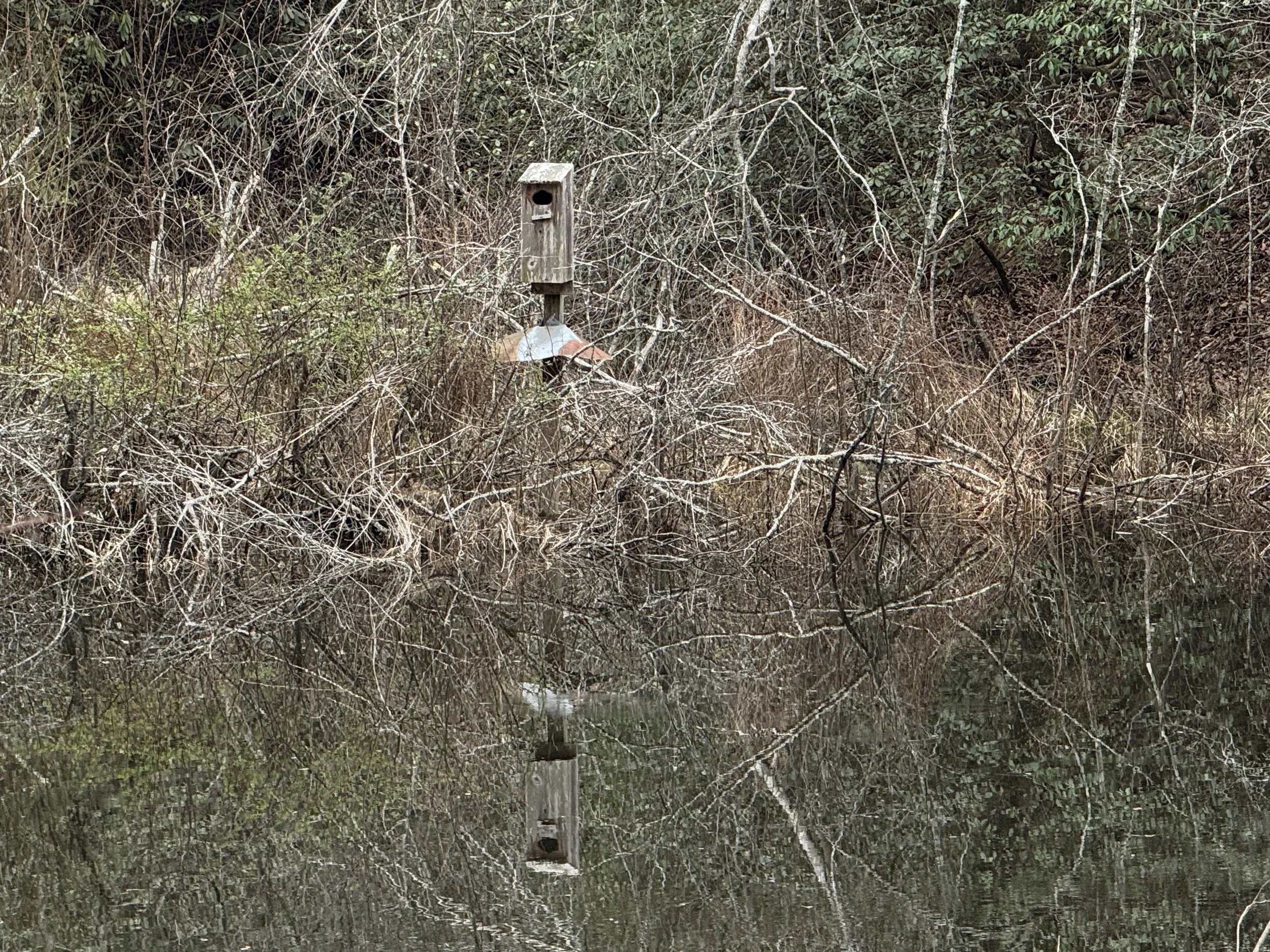
There is a pond that wildlife clearly loves, and in my mind it has become Reflection Pond—still, watchful, and perfectly deserving of the name. It is the kind of place where the woods seem to pause and look back at themselves.
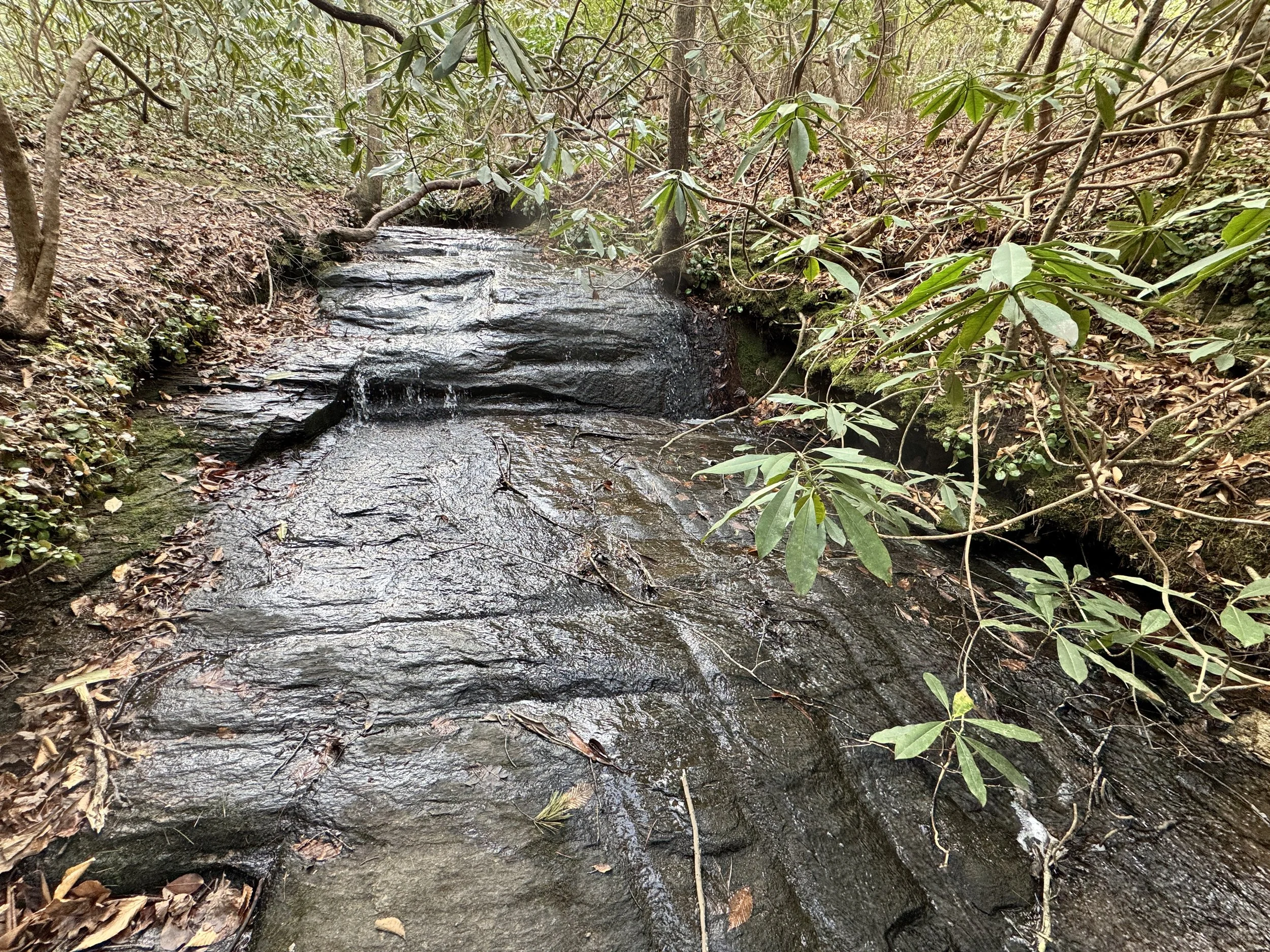
And then there is the creek, slipping over rock in small waterfalls that do not need to be dramatic to be beautiful. They are quiet cascades, the kind you could almost miss if you were rushing, and exactly the kind that stay with you if you are not.
That is part of the soul of this park.
Not just one rare flower, but the whole living tapestry around it.
A lovely walk, even after loss
There is something honest about visiting a place after a storm.
It is not untouched.
It is not polished.
It is not pretending.
And maybe that is part of what makes it beautiful.
Despite the damage Helene left behind, Devils Fork State Park is still a lovely walk. Not because everything looks perfect, but because it does not. The beauty here now carries resilience in it. Endurance. Recovery. A kind of quiet grace that feels more real than perfection ever could.
And maybe that makes the Oconee Bells feel even more fitting.
Tiny. Rare. Easy to overlook.
Still blooming.
If you go
Go slowly.
Look down.
Bring patience.
Bring your camera, yes—but also bring your eyes.
Do not expect giant blossoms or sweeping fields of color. Expect detail. Expect delicacy. Expect to get low to the ground and work a little for the photograph.
And when you find them, let them be small.
That is their charm.
They are not trying to impress the world.
They are simply blooming where they belong.